All you need to know about supply chain network design
A supply chain network moves goods and materials from their source to the people who need them. Thoughtfully designed supply chain networks help maintain inventory levels and streamline transportation because each link in the chain affects your overall operations.
Let’s break down the key terms in supply chain design and explore best practices for creating a high-performing network of your own.
An overview of supply chain network design
Supply chain network design uncovers how goods move from suppliers to end customers. It’s a strategic, ongoing process that maps every stage of the supply chain from sourcing and production, all the way to inventory management. This approach helps organizations optimize facility placement, transportation routes, and labor needs. For example, a manufacturer might evaluate warehouse locations and delivery routes to help it speed up fulfillment.
Geographic information systems (GIS) also play a part in this process — providing visibility into demand patterns and regional constraints. Teams can use GIS tools to analyze and model different scenarios to make more informed location-based decisions that reduce risk.
What is supply chain network optimization?

Supply chain network optimization strengthens an existing network after a company builds its initial structure. It focuses on fine-tuning decisions around logistics and transportation. This optimization improves how warehouses, distribution centers, and delivery routes work together to meet customer demand at the lowest possible cost.
Organizations that continuously analyze supply chain performance and adjust their network can decrease expenses while increasing visibility. Optimization also allows your company to respond quickly to changes in demand, giving your supply chain a competitive advantage.
Benefits of supply chain network design
Here are some of the leading benefits of supply chain design and optimization.
Reduces operating costs
A well-planned supply network helps you control transportation and warehousing costs without compromising service quality. By strategically locating facilities and matching inventory levels with demand, you shorten travel time and lower fuel costs. These choices cut waste and remove bottlenecks that slow down your operations.
These improvements reduce costs while boosting efficiency and responsiveness. An optimized supply chain turns distribution and inventory management into coordinated, cost-effective processes that drive both profitability and customer satisfaction.
Allows planning and managing risks
Examining supplier dependencies and key operational nodes helps you spot vulnerabilities and potential supply chain disruptions. With this insight, teams can create contingency plans for delays or supplier outages. These plans might include rerouting shipments or coordinating with alternative suppliers, which enables your company to maintain continuity during unexpected events and sudden shifts in demand.
Assesses environmental impact
A strategic supply network allows your company to manage its environmental footprint. When you analyze shipping routes and sourcing practices, you gain the insights needed to reduce carbon emissions, energy consumption, and waste. For example, consolidating shipments or using regional suppliers can significantly lower transportation-related emissions.
Aside from supporting sustainability goals, these improvements boost cost-effective operations that rely on shorter distances and fewer inefficiencies.
Provides information for better decision-making
Supply chain network design gives you a clear view into how products move from suppliers to end customers. With this visibility, you can spot inefficiencies, plan improvements, and make smarter decisions about distribution and facility locations. If you know the exact location of inventory across multiple warehouses, you can take steps to prevent stockouts or overstocking — like adjusting order quantities and redistributing products between fulfillment centers.
By leveraging real-time data from GIS and warehouse management systems, your organization can quickly adapt to market changes and take action to increase profitability.
Best practices to design a supply chain network
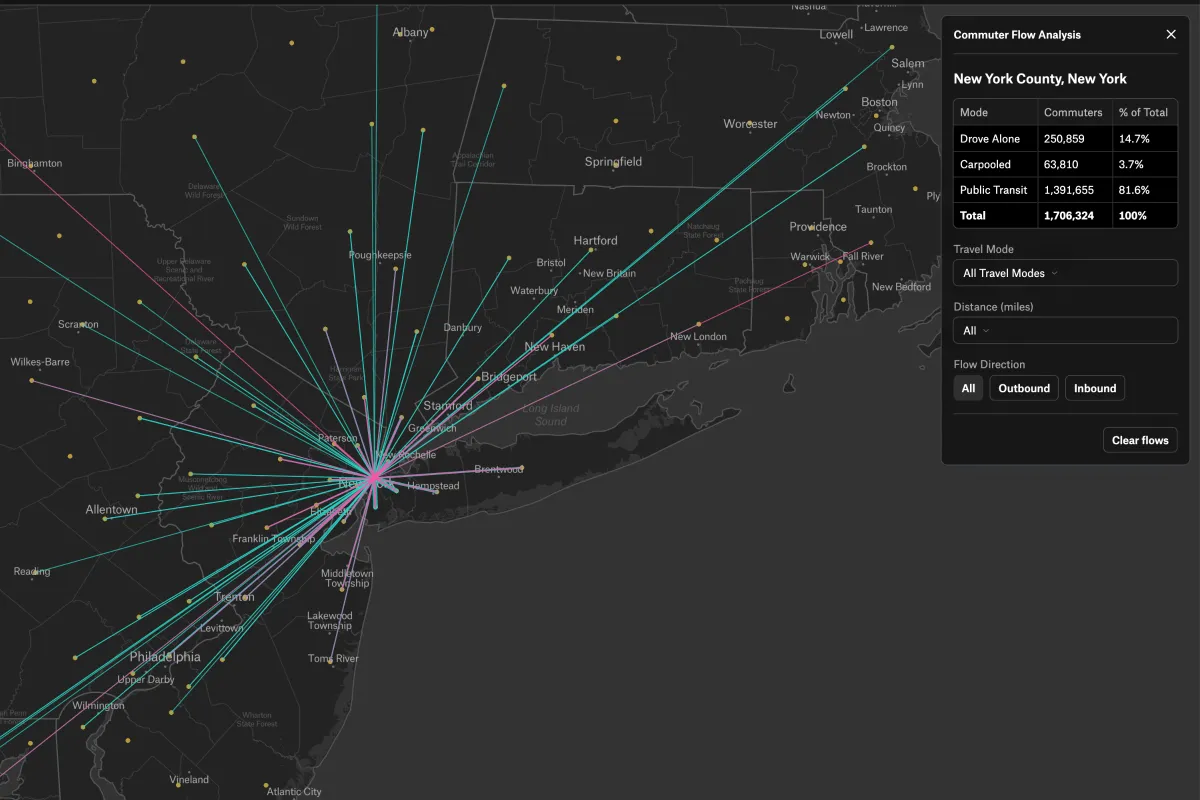
Here are common ways network design and management help you build a high-performing supply chain.
- Map your current network before making any changes: Start by documenting how goods move through your existing network of warehouses and shipping routes. You might even create a supply chain network diagram to visualize flows and bottlenecks. This visibility gives you a solid baseline for pinpointing which areas need optimization.
- Align network design with your business strategy: Define what you want your supply chain to achieve. This might be faster delivery, lower costs, or better service. If your network supports these goals, each decision strengthens the organization.
- Segment your inventory and customer demand: Treat products and customers according to their unique needs rather than using a one-size-fits-all approach. By matching inventory levels and replenishment strategies to demand patterns, you can reduce waste and improve service levels without overloading your network.
- Evaluate supplier locations and relationships: Assess where your suppliers are located and how that location affects lead times, transportation costs, and risk exposure. Try to select suppliers that enhance your network’s responsiveness and flexibility.
- Use data and forecasting to drive decisions: Collect data from sales, production, and distribution segments to help predict demand with greater accuracy. Strong forecasting helps you optimize inventory and avoid last-minute adjustments.
- Incorporate GIS technology for network planning: GIS tools help you visualize routes, calculate transportation costs, and evaluate potential sites for new facilities. These capabilities give you insight into geographic and service trade-offs, helping you create a seamless and optimized supply chain network.
- Design for flexibility and risk mitigation: Build redundancy into key parts of your network so you can reroute shipments and shift inventory when disruptions occur. When your supply chain adapts easily to demand fluctuations and changes in transportation capacity, you can continue operations with minimal downtime or impact on operations.
- Review and refine your design: Don’t treat network design as a one-time project. Instead, schedule regular reviews to revisit assumptions and assess supply chain performance. Companies that routinely analyze results and make necessary adjustments are more successful at keeping their network lean and efficient.
Visualize and analyze supply chain networks with Felt
Supply chain network design goes beyond identifying key participants and routes. It also involves clear, actionable maps that show how goods move from point A to point B. With the help of supply chain network design software, companies can turn complicated logistics into valuable insights that optimize operations.
Felt’s browser-based workspace simplifies supply chain network optimization. The platform:
- Hides complexity behind an intuitive design, so anyone on your team can create, deliver, and interpret maps without extensive training.
- Provides quick analysis tools like join and clip that let you process data instantly, while popups and labels make results easy to digest.
- Promotes collaboration with live updates and boundary-based visualization.
Explore Felt’s powerful GIS for yourself and start improving your supply chain in no time.
FAQ
What are the three levels of supply chain network design?
Companies design supply chains at three levels: strategic, tactical, and operational. At the strategic level, they decide on supplier relationships and major distribution hubs. Tactical planning manages production schedules and inventory policies. The operational level manages day-to-day tasks like order fulfillment and warehouse operations.
What are supply chain networks?
Supply chain networks are the interconnected systems that move goods from suppliers to customers. These networks bring together key players in the process — like manufacturers, warehouses, and retailers — to ensure efficient delivery and reliable service.
What are the three types of supply chain?
There are three main types of supply chains: continuous flow, fast chain, and agile. Continuous flow focuses on efficiency, fast chain models prioritize speed, and agile networks are all about flexibility.
Compare Felt using AI




.jpg)